In short
- AI is good at pattern tasks: reading ingredient lists, organizing what you tell it about your skin, and spotting obvious visible features in well-lit photos.
- Selfie-based skin scores are sensitive to lighting, camera, makeup and angle, so the same face can score very differently from one day to the next.
- Medical diagnosis is a different task. Dermatology AI tools are trained and validated under clinical conditions and are used by professionals, not by consumer apps.
- The most useful consumer AI helps you decide and stay consistent: choosing products, explaining ingredients and setting realistic expectations.
“Scan your face and get your skin score in 10 seconds.” You have probably seen an ad like this. AI skin analysis has gone from research labs to app stores in a few short years, and it is now part of many beauty counters, brand websites and skincare apps.
But what does an AI actually see when it looks at your skin? Can it tell your skin type, your concerns, or what product you need? And where does it stop being useful? This article gives you a clear, hype-free answer.
Three very different things called “AI skin analysis”
The phrase covers at least three distinct technologies, and they are not equally reliable.
1. Image scoring from a selfie
The app detects your face, divides it into zones (forehead, cheeks, nose, chin) and runs models trained to estimate features like redness, shine, visible pores, spots or lines. The output is usually a score per concern.
2. Language-based skin profiling
Instead of judging a photo, the AI asks you questions or lets you describe your skin in your own words (“my T-zone gets shiny by noon, and I have marks left after breakouts on my cheeks”) and turns your answers into a structured profile: skin type, concerns, sensitivities and goals.
3. Clinical decision support
Separate from consumer apps, research groups and medical companies build AI to help clinicians, for example to flag suspicious moles from dermoscopic images. These tools are trained on clinically labelled data, tested in clinical studies and, depending on the country, regulated as medical devices.
Most of the confusion around AI skin analysis comes from mixing up the third category with the first two.
What AI does well
Reading and organizing information
Large language models are very good at reading. Give one an ingredient list and it can identify the actives, explain what each one does, flag common irritants and note when a product is fragrance-free or contains alcohol high on the list. That alone saves most people a lot of guesswork. (Want to do it yourself? See how to read a skincare ingredient label.)
Turning your words into a useful profile
People describe their skin vividly but inconsistently. AI can turn “tight after washing, flaky around my nose in winter” into “dry, possibly compromised barrier, seasonal flaking”, and keep that profile in mind every time it evaluates a product.
Spotting obvious visible features
In good, even light, image models can reliably detect pronounced features such as active breakouts, visible redness or significant shine. They are best at the obvious and weakest at subtle differences.
Keeping you consistent
Skincare results depend more on consistency than on any single product. AI that builds a routine from a product’s directions and reminds you at the right time quietly does more for your skin than any score.
Where AI falls short
Photos are unreliable measuring instruments
A selfie is affected by the light source, its color temperature, its angle, the camera’s processing, the distance to the face and whether you have just washed it. The same face photographed by a window and under a bathroom bulb can look like two different skin types. That is why many people get different “skin ages” or scores from one day to the next.
Skin type is not purely visual
Whether skin is dry, oily, combination or sensitive depends on how it behaves over a day: how it feels after cleansing, where it gets shiny, how it reacts to products. A single photo captures a moment, not a behavior. A questionnaire, or simply the bare-face test, is often more accurate.
Diversity in training data
Skin conditions look different across skin tones. Redness that is obvious on fair skin can appear brown, purple or grey on deeper skin, and hyperpigmentation behaves differently too. Dermatology researchers have repeatedly pointed out that many image datasets under-represent darker skin tones, which can make image-based tools less reliable for the people who most need accurate guidance on pigmentation.
Diagnosis needs context
A dermatologist does not diagnose from appearance alone. They ask how long something has been there, whether it itches or hurts, what makes it better or worse, and what your medical history is. They may touch, magnify or biopsy. Consumer AI working from a photo does none of that, which is why responsible apps stay firmly on the cosmetic side of the line.
How Neem approaches it
Neem was designed around what AI does well and away from what it does poorly:
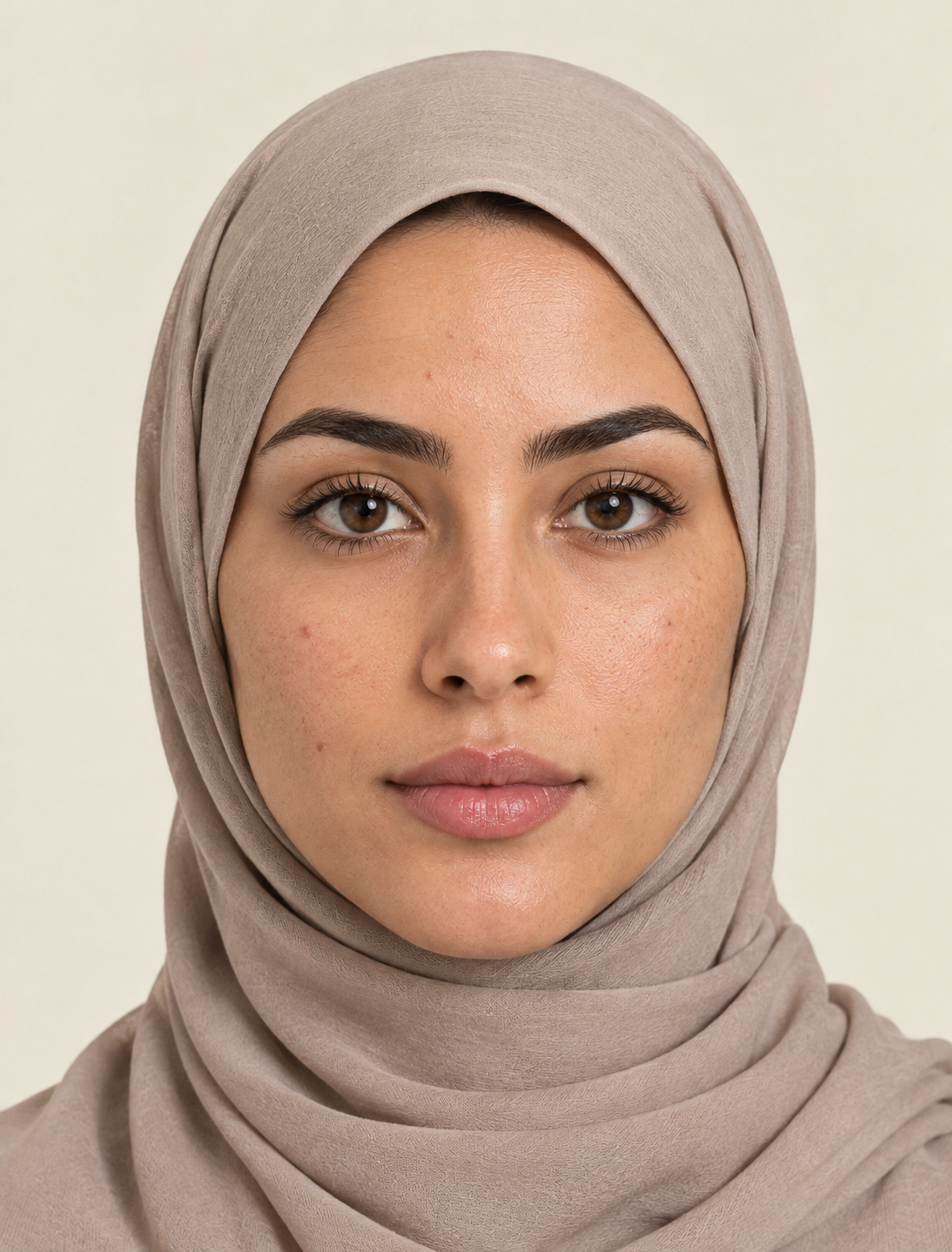
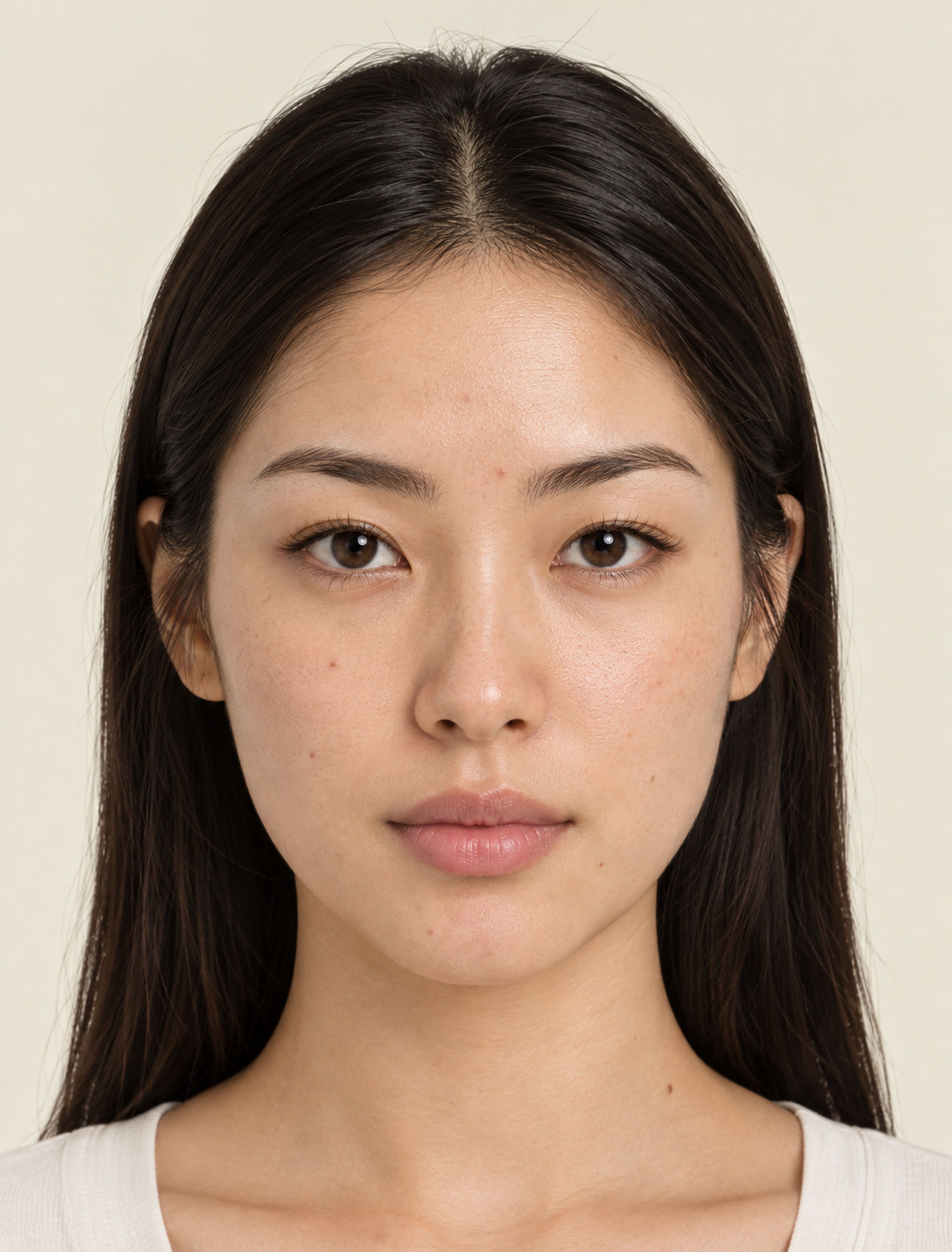
- No photo of you. You describe your skin in your own words or pick from concern chips, and the AI builds your skin profile from that. You then choose one of 18 realistic AI face models to visualize results on. More on why in our article on AI face models and privacy.
- The label is the source of truth. When you scan a product, the AI reads its ingredients, claims and directions and judges how relevant it is to your profile.
- Conservative previews. The simulation only changes the concerns the product targets, and stays subtle when the evidence is weak.
- Clear boundaries. Everything is presented as a cosmetic preview for information, not as a diagnosis or medical advice.
How to use any AI skin tool wisely
- Use it to decide, not to diagnose. Comparing products, understanding ingredients and planning a routine are where it shines.
- Standardize your photos if an app needs them: same room, same time of day, no makeup, light facing you.
- Trust trends over single scores. One reading means little; a consistent direction over weeks means more.
- Check the privacy policy before uploading a face: storage, retention, model training and sharing.
- Keep a human in the loop for anything that looks medical.
The bottom line
AI can genuinely help with skincare. It reads labels faster than any of us, remembers your skin profile, and keeps you on track. What it cannot do is replace the context and examination behind a medical diagnosis, and selfie-based scores are less precise than their decimal points suggest. Use AI for what it is good at, and your skin, and your wallet, will benefit.
Frequently asked questions
Are AI skin analyzer apps accurate?
They can be consistent at measuring simple visible features in controlled photos, but consumer selfies vary so much in light, angle and camera that scores often shift from day to day. Treat any skin 'score' as a rough indicator, not a measurement.
Can AI diagnose acne, rosacea or melasma?
Consumer skincare apps should not diagnose medical conditions. Some AI tools are being studied to support dermatologists, but they are validated under clinical conditions and used by professionals. If you think you have a skin condition, see a dermatologist.
Is it safe to upload my face to a skin analysis app?
Read the privacy policy first: check whether photos are stored, for how long, whether they are used to train models and whether they are shared. Apps like Neem avoid the question entirely by not asking for a photo of you.
This article is for general information only and is not medical advice. Skin is individual: for a skin condition, a reaction or anything that worries you, please see a dermatologist or doctor.