In short
- A clear photo of your face can identify you, and in many jurisdictions face data used for identification counts as sensitive biometric data.
- For a skincare preview, the product's effect matters more than your exact face, so a realistic AI face model with a similar skin tone works just as well.
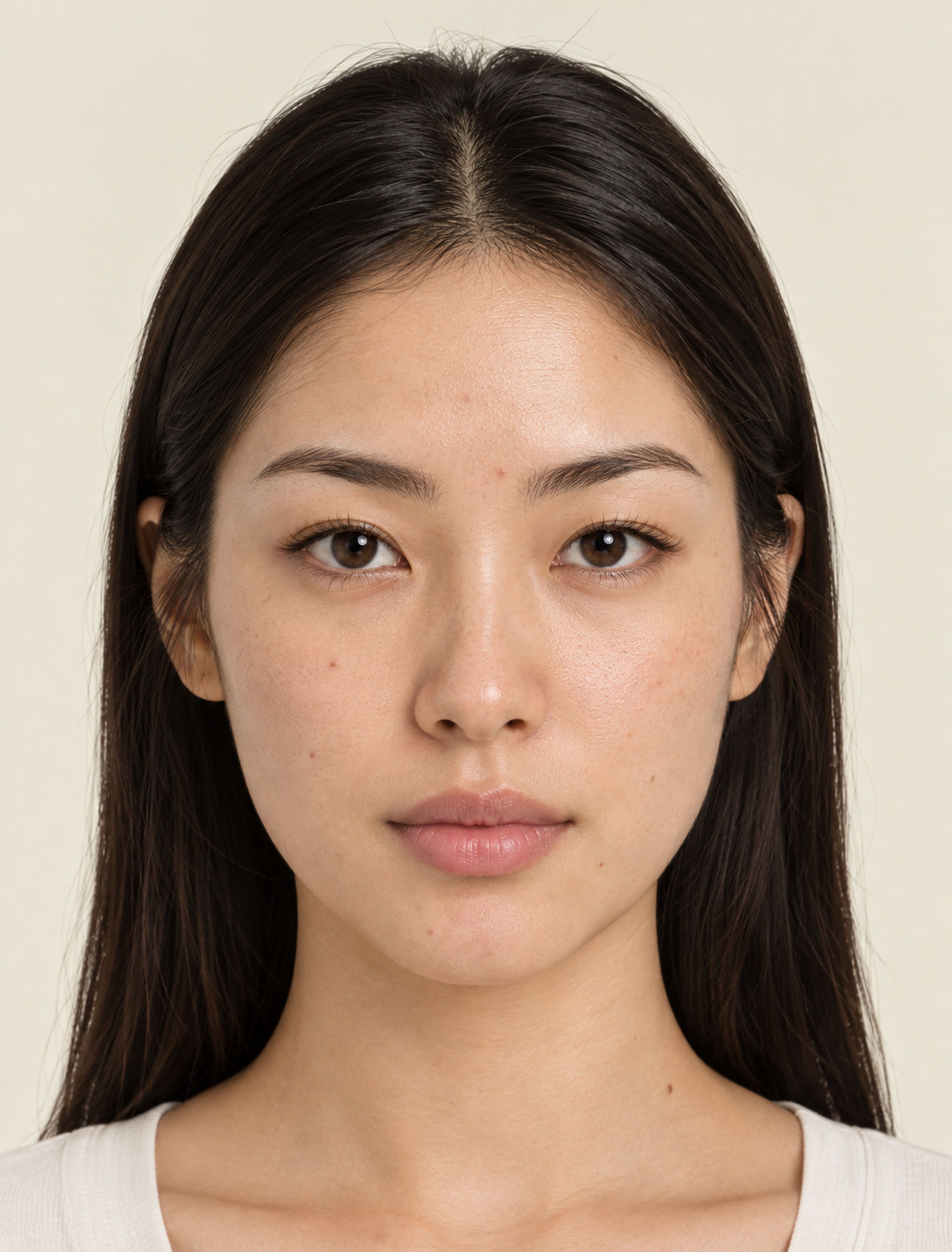
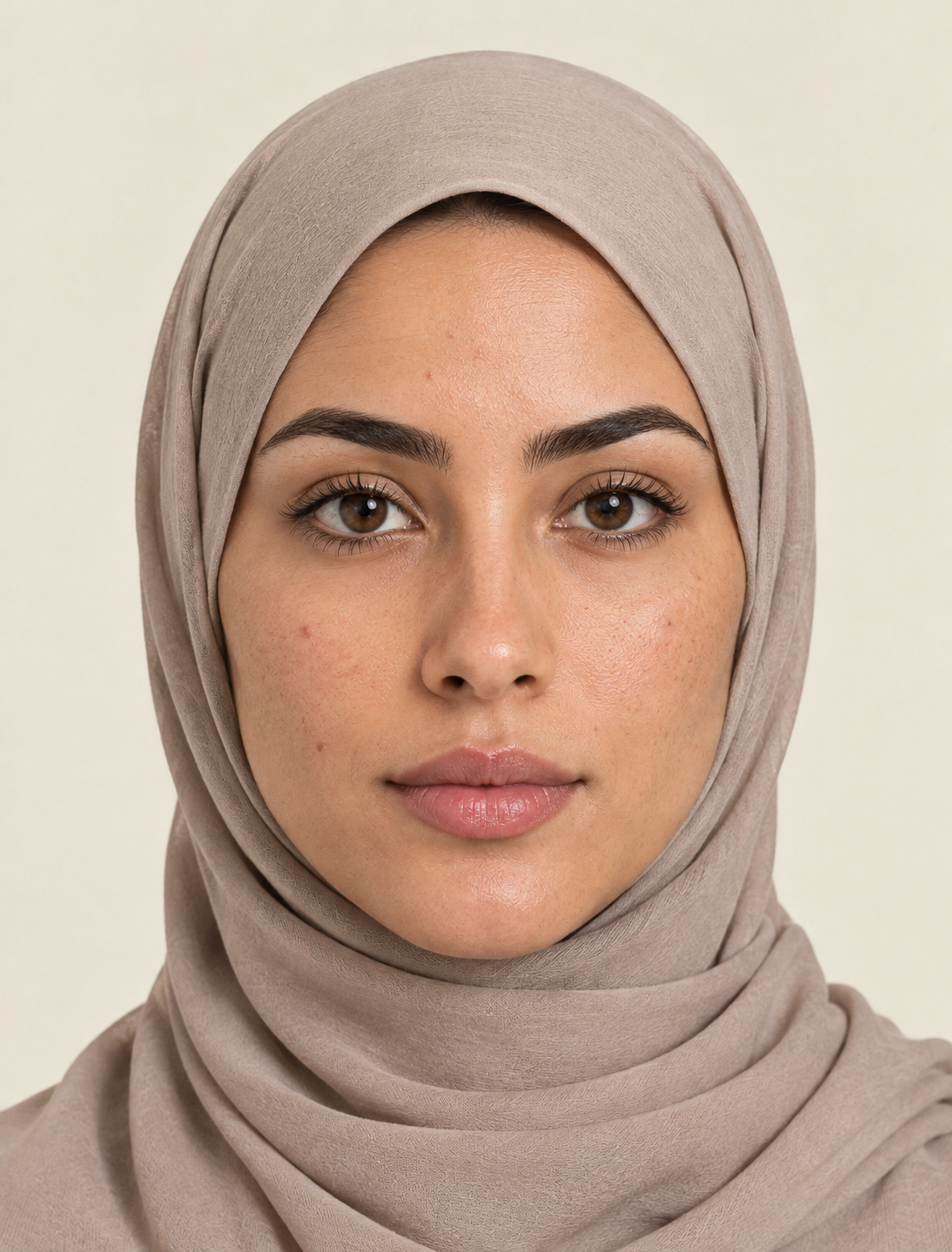
- Neem never asks for a photo of you: you describe your skin in words and pick one of 18 AI face models from fair to deep skin.
- Before uploading a selfie to any beauty app, check storage, retention, model training and sharing in its privacy policy.
Most of us would hesitate before handing a stranger a high-resolution photo of our face, labelled with our skin concerns, age and email address. Yet that is essentially what many skin analysis apps ask for in their first screen.
When we designed Neem, we started with a simple question: does a skincare preview actually need your face? The answer turned out to be no. This article explains why, and what it means for your privacy.
Your face is not just another photo
A clear, front-facing photo is exactly what facial recognition systems are built to match. That is why privacy laws treat face data carefully. Under Europe’s GDPR, biometric data used to uniquely identify a person is a “special category” with extra protection. Several US states, such as Illinois with its Biometric Information Privacy Act, have specific rules for face geometry. Other countries are following.
Beyond the legal side, there are practical risks with any stored photo:
- Breaches. Any database can leak. A leaked password can be changed; a leaked face cannot.
- Secondary use. Photos uploaded for one purpose can end up training models or being shared with partners if the terms allow it.
- Retention. “We may keep your data as long as necessary” can mean years.
None of this means every app with a camera is dangerous. It means the safest photo is the one that is never taken.
What a skincare preview really needs
Think about what you want from a simulation: to see whether a product could fade dark spots, calm redness, refine texture or reduce shine, and how much over 90 days.
That question is about the product and your concerns, not about the exact shape of your nose. What the preview needs is:
- A realistic face with a skin tone and features close enough to yours to be relatable.
- An accurate description of your concerns and skin type.
- The product’s ingredients and claims.
A selfie actually adds noise to that: bathroom lighting, phone beauty filters, the angle, yesterday’s makeup. A consistent, well-lit face model removes those variables, so the only thing that changes between Day 0 and Day 90 is the effect being simulated.

How Neem’s AI face models work
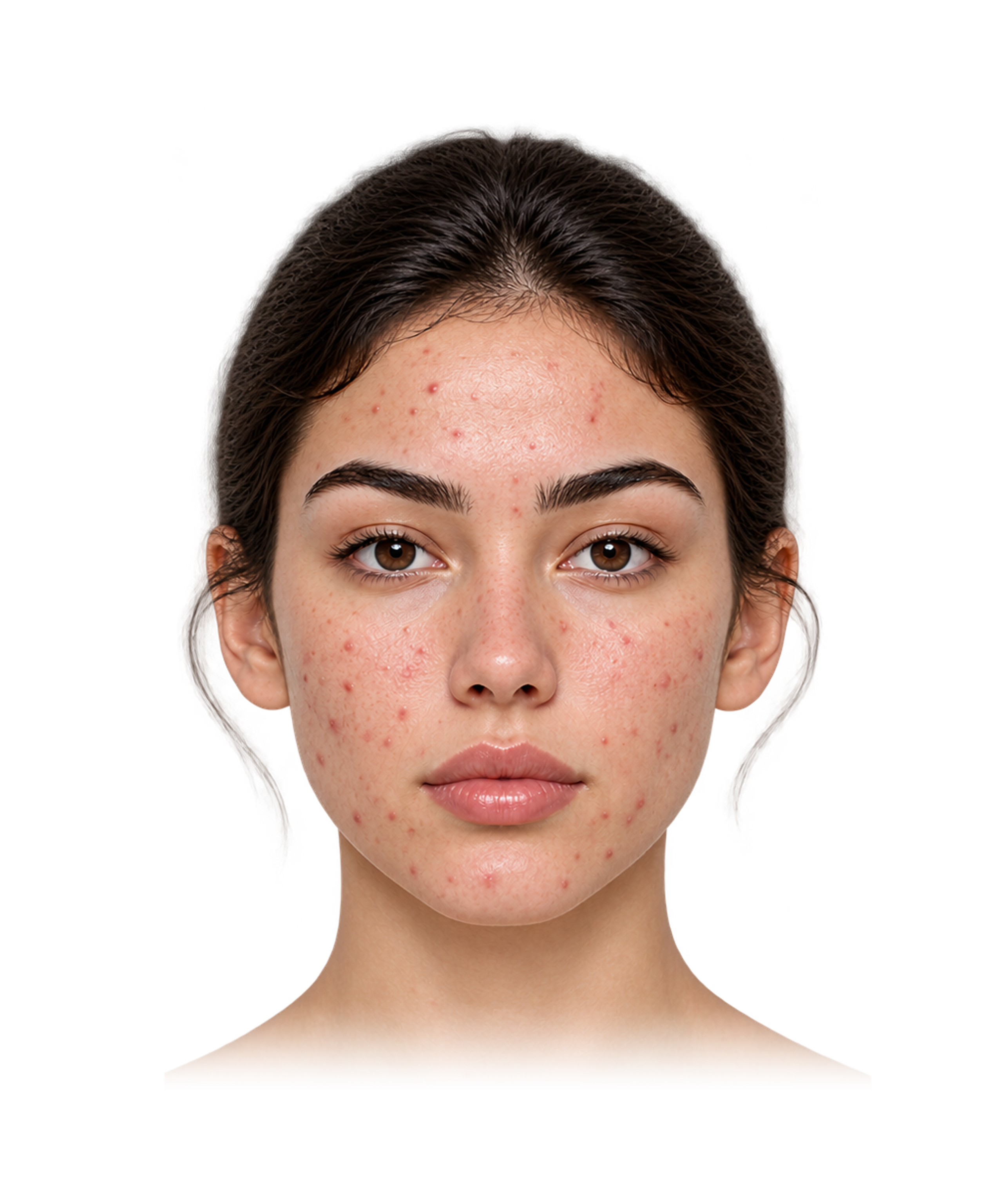
Neem offers 18 realistic AI-generated face models, women and men, from fair to deep skin, with different ages and features. You pick the one you relate to most.



Then you describe your skin in your own words, or with chips like “Dark spots”, “Large pores” or “Redness”. Neem’s AI turns that into a skin profile written in your language (English, French or Arabic). When you scan a product, the simulation applies the plausible changes to your chosen model, only for the concerns the product targets.
Privacy by design, not by policy
There is a difference between promising to protect data and not collecting it in the first place. Neem’s approach:
- No photo of you, ever. Product photos you scan are of the packaging, not your face.
- No advertising SDKs and no data sales.
- Delete everything from the app when you want to.
- Your Skincare Report is generated on your phone and Neem does not keep a copy.
The details are in our Privacy Policy, written to be readable.
A privacy checklist for any beauty or skin app
Whether you use Neem or something else, these five questions take two minutes and are worth it:
- Does it need my face? If it does, why? Is there an option without a photo?
- Where are photos stored, and for how long? Look for a specific retention period.
- Are photos used to train AI models? Is that opt-in or opt-out?
- Are they shared with third parties? Including “partners” and “affiliates”.
- Can I delete my data, and does deleting really delete it?
If the answers are vague, assume the broadest reading.
The bottom line
A skincare preview should help you decide what to put on your skin, not cost you control over your own face. Realistic AI face models make that possible: the same useful preview, with nothing about your identity to store, leak or reuse. To see how the rest of the process works, read how AI skincare simulation works.
Frequently asked questions
Are the faces in Neem real people?
No. They are AI-generated face models created for the app. They represent a range of skin tones, ages and features, but none of them is a photo of a real person.
Is a simulation on a face model less useful than one on my selfie?
For cosmetic decisions, no. The simulation's job is to show what a product could do for concerns like dark spots, texture or shine. Choosing a model close to your skin tone and describing your skin precisely gives you that, without the lighting and camera noise of a selfie.
Can I delete my data from Neem?
Yes. You can delete your account and data from inside the app. See the Privacy Policy on this site for the details of what is stored and for how long.
This article is for general information only and is not medical advice. Skin is individual: for a skin condition, a reaction or anything that worries you, please see a dermatologist or doctor.